The Best On-Campus Jobs for SPED Students
Our main goal for our transition students is to get them ready for adulthood. How can we make sure that our students build confidence, independence, and real-world skills within the school walls?
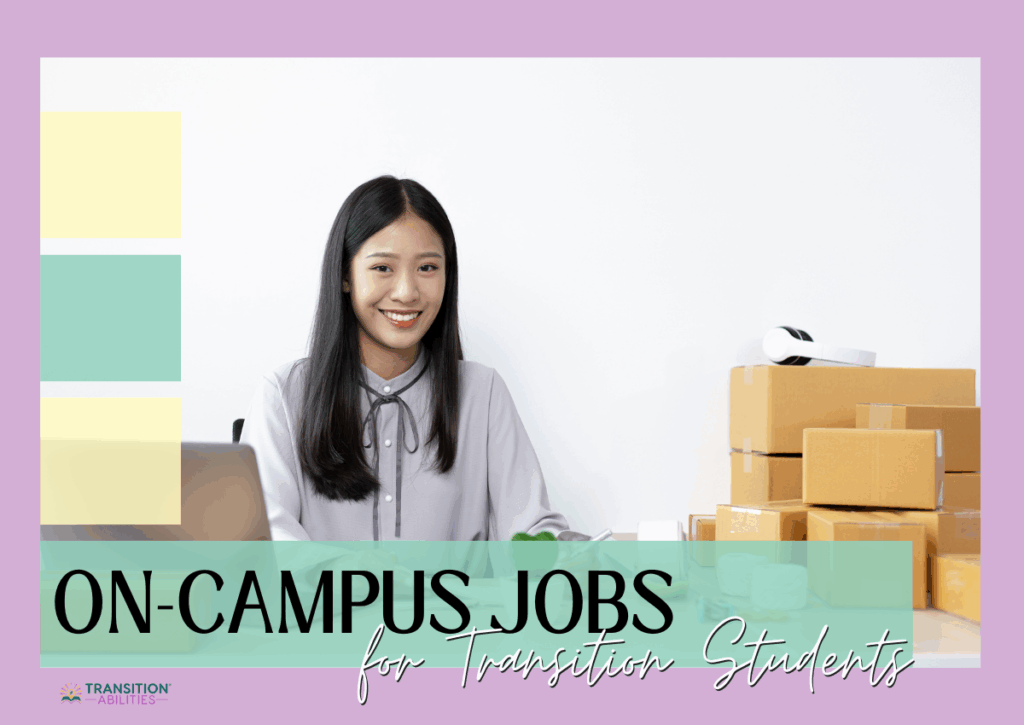
One of the best ways to achieve this goal is by giving your students opportunities to practice through on-campus jobs. They teach life skills while keeping students engaged in meaningful tasks in a safe and familiar environment.
In this post, we’ll explore creative on-campus job ideas that help your students develop vocational skills! Whether it’s filing paperwork, watering plants, or even assisting with school events, these jobs can transform your classroom into a thriving community of learners.
The Importance of Classroom Jobs
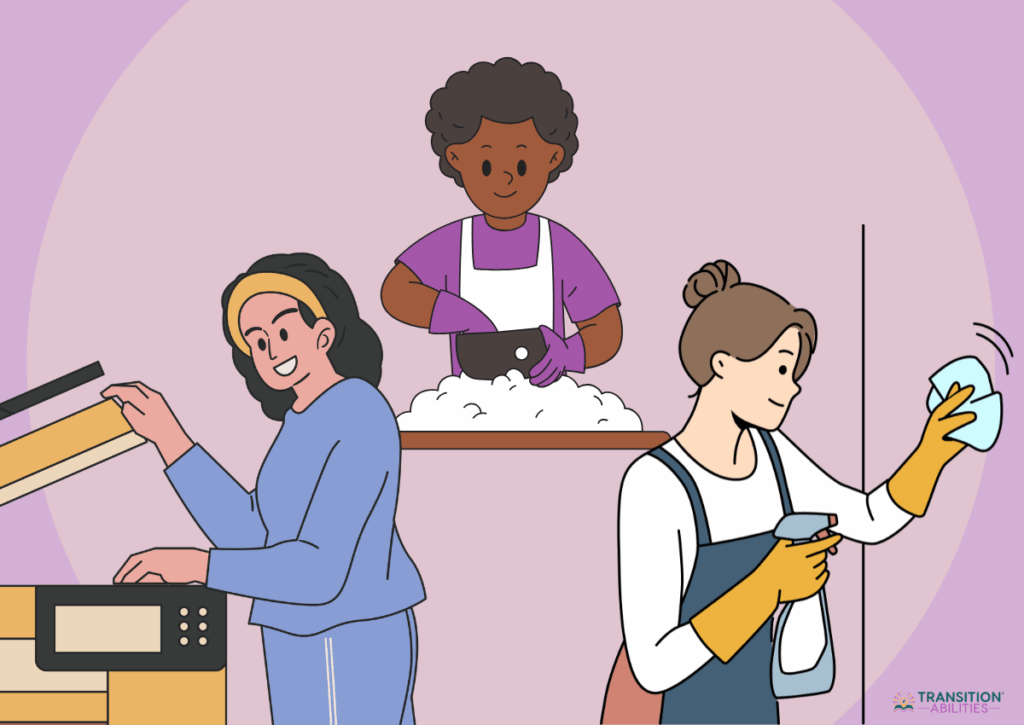
When teaching vocational skills, the first thought of most teachers is going on a community trip so that students can look at real-life jobs and career opportunities. But, did you know that staying on campus for work placements is also a good start?
It has a lot of advantages, including safety, familiarity, predictability, and flexibility that off-campus jobs don’t have. On-campus jobs provide your students with a safety net while they work on their job skills, instead of trying to build those skills from the bottom up while in an unfamiliar (and unpredictable) setting. Students can do jobs within the classroom or any of the other settings in your school, like the main office, library, and more.
And it’s not just about vocational skills. Classroom jobs also help bring structure and routine to the school—something special education students thrive on. The classroom runs more smoothly, and the students have a sense of purpose and responsibility.
And the best part? These jobs are flexible! You can tailor them to fit your students’ strengths and interests while also meeting the needs of your school.
Why Focus on On-Campus Jobs
There are a variety of reasons why you may want (or need) to focus mostly or only on on-campus jobs.
1. Building a Program from Scratch
When you’re just getting started as a high school or transition special ed teacher, and off-campus jobs aren’t already set up, figuring out where to begin can be overwhelming.
A great place to start is by using your school system as a resource. What jobs could your students do to take some of the load off teachers or admin staff within your school building? (Check out this post for tips on building a transition program from scratch!)

2. New Students
Introducing students to on-campus jobs is a perfect starting point if you have new students (or multiple new ones) and you don’t know them yet, how they will respond to redirection, or what types of tasks they enjoy and are good at.
On-campus jobs let you get to know them better so you can place them in a more suitable position off-campus.

3. Staff Ratios
In an ideal world, we’d have job coaches for every student. But the reality is most of us barely have any aide support at all, let alone multiple job coaches. And even if you do have multiple job coaches, it’s helpful to have a fall-back plan in case anyone is absent.
On-campus jobs are safer and easier to manage when there are other teachers and supports nearby, especially when supervising groups of students working on job skills.
On-Campus Job Ideas
Here are examples of school job ideas to inspire you, grouped by skill areas!
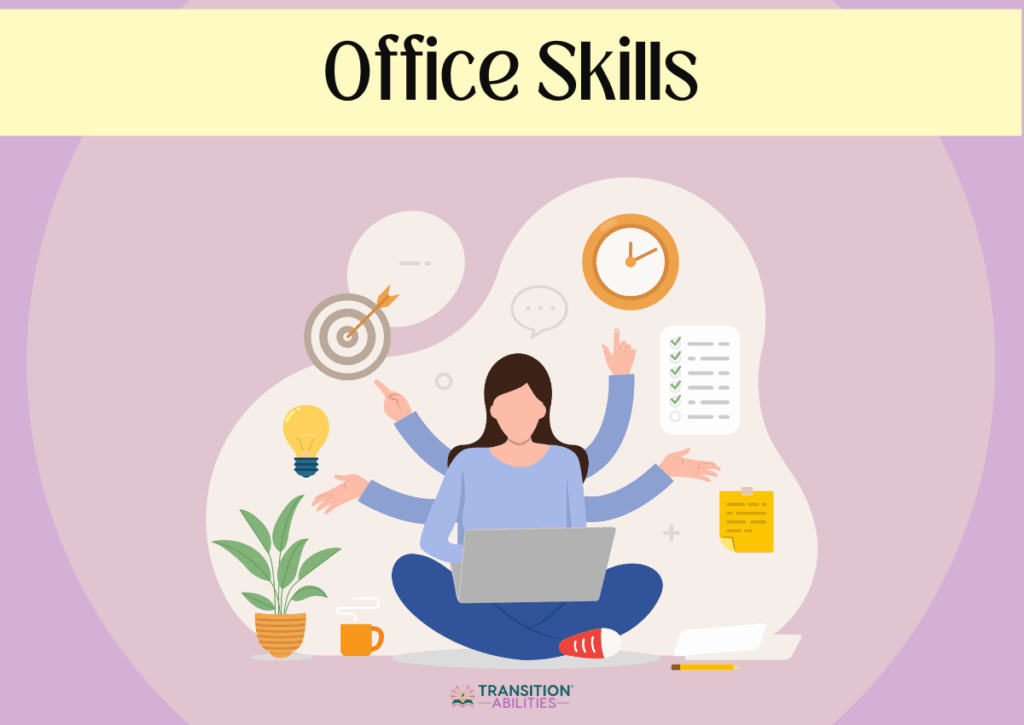
Office Skills
- Updating schedules
- Copying or scanning documents
- Organizing books or papers
- Filing student work
- Shredding paper
- Restocking supplies
- Taking inventory of classroom materials
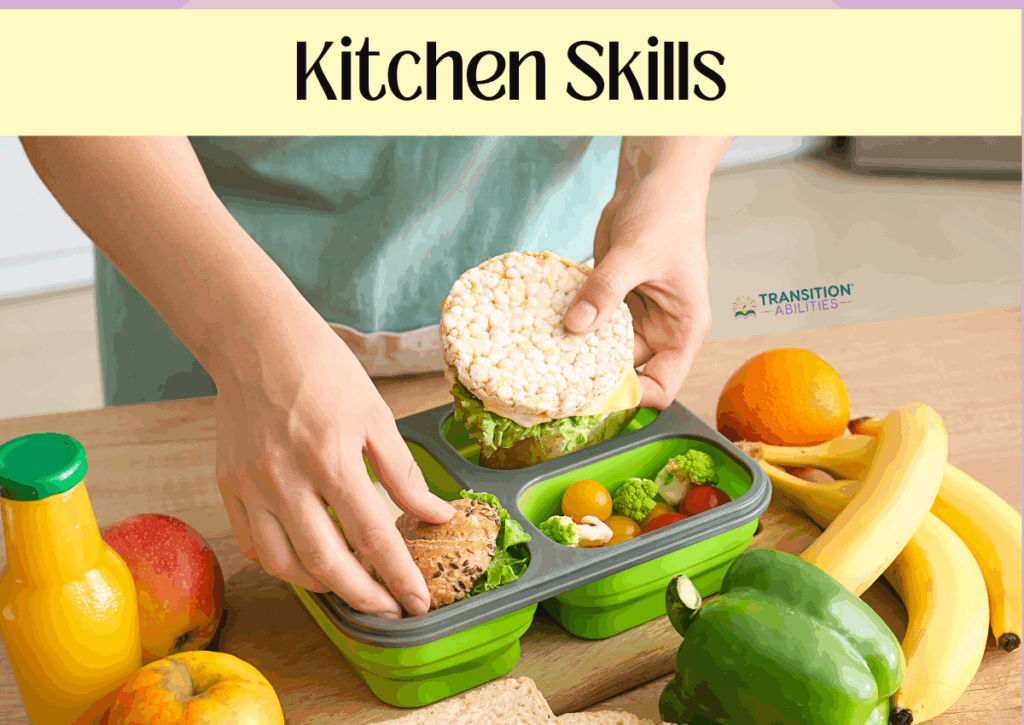
Kitchen Skills
- Washing dishes
- Checking food expiration dates
- Sorting and organizing snacks
- Packing lunches or snacks
- Recycling items
- Making a grocery list
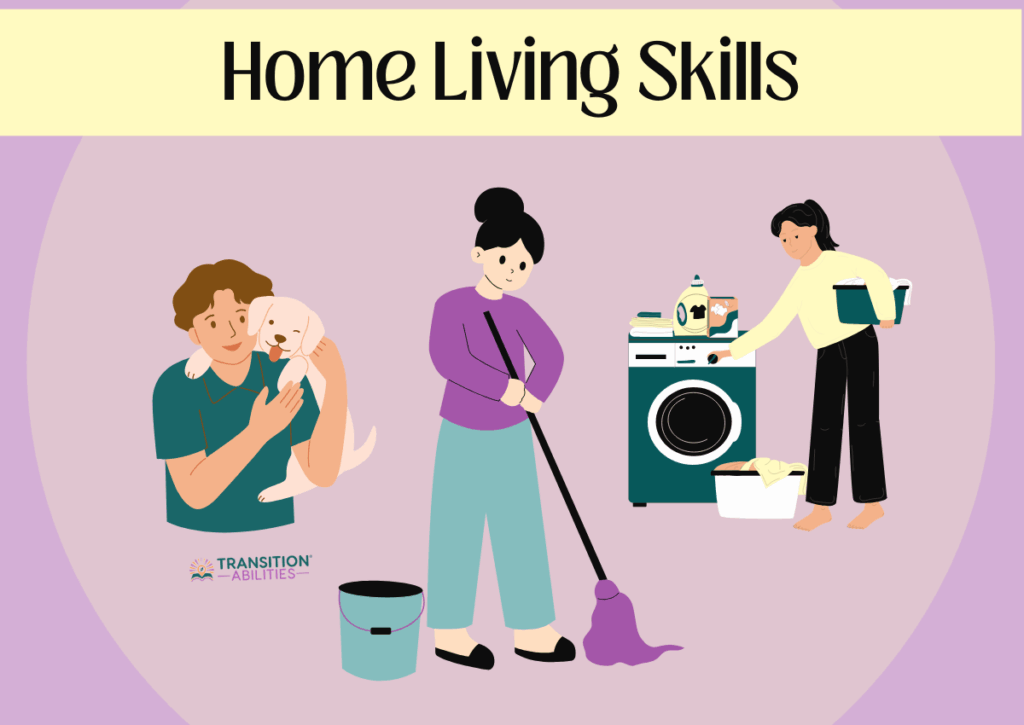
Home Living Skills
- Sweeping and vacuuming
- Dusting or wiping surfaces
- Cleaning windows and mirrors
- Stacking chairs or putting away supplies
- Taking care of a class pet
- Doing laundry or organizing a clothing rack

Community Skills
- Delivering mail or supplies to staff
- Setting up for events
- Recycling paper and plastics
- Learning basic public transportation routes
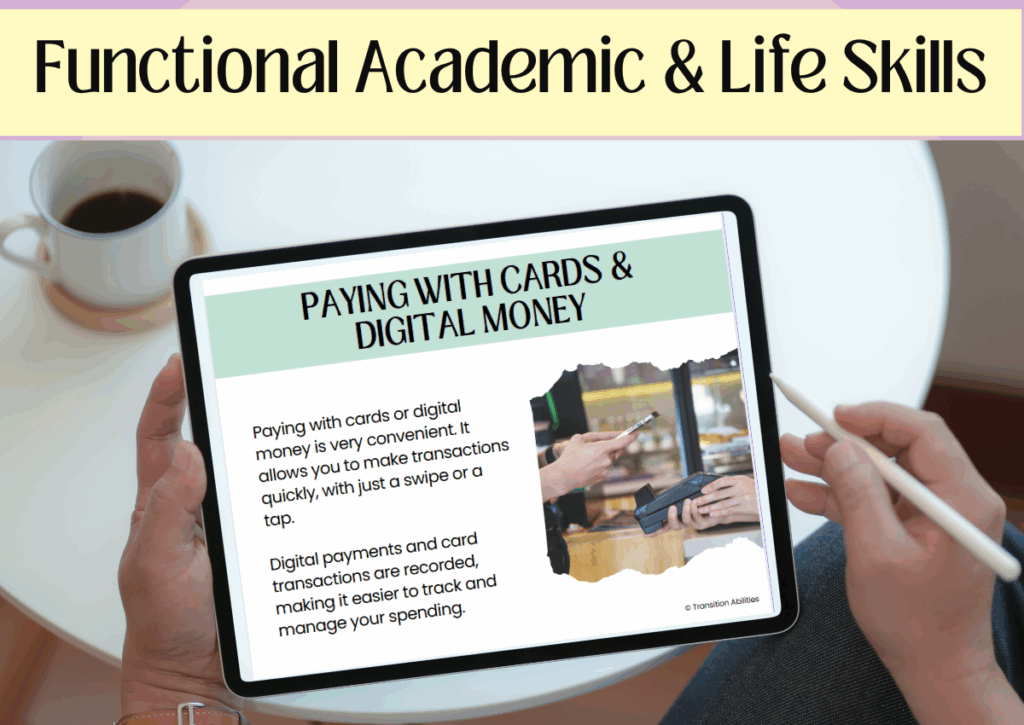
Functional Academics and Life Skills
- Handling money (making change, collecting payments)
- Setting up the classroom calendar
- Taking photos for newsletters or social media
- Answering phone calls
How to Get Started with On-Campus Jobs
Here are some tips on how to start on-campus jobs.
1. Prepare Early
Take time at the start of the school year to teach job tasks and routines. You can create visuals, checklists, or social stories to help your students understand each step. You can also practice these tasks together and model them.
2. Teach the Jobs Thoroughly
Spend time teaching each task step-by-step. For this, you can use tools like Boom Cards, Google Slides, or real photos to create social stories and activities for practicing job routines.
Start small with just a few jobs and add more as the year goes on.
3. Build Connections
Reach out to other departments or staff in your school. For example, ask the main office, library, or cafeteria if they have small tasks your students could help with.
4. Set Up Materials and Systems
Organize materials so they’re easy for students to access. For each job, create a task bin with visuals, sign-in sheets, and any supplies needed. This helps students work independently and stay organized.
5. Incorporate Communication Skills
On-campus jobs are also a perfect way to develop communication skills. Look for ways to include communication practice in each job.
For example, your students can greet staff when delivering mail, ask questions about tasks, or use programmed phrases on communication devices.
6. Have Your Students Apply for the Job
You can even make this experience more real by having students apply for the jobs they’re interested in.
This can be as simple as writing why they want the job and what skills they have. You can even hold mock interviews for real-world practice!
7. Rotate Jobs
Switching jobs every few months keeps things fresh and ensures that your students try a variety of roles.
On-campus jobs provide a safe, structured environment for your students while giving them opportunities to develop their vocational skills. These jobs help your students build independence and prepare them for future career opportunities.
By providing on-campus jobs, you’re not only teaching your students valuable skills but also showing them that they can contribute and succeed.