Sensory-Friendly Adaptive Tools for Teens
School should be a place where every student feels comfortable, supported, and ready to learn.
For teens with ADHD, autism, or other disabilities, having the right tools can make a big difference. They need supplies that offer extra support but still feel age-appropriate, without standing out or feeling “childish.”
Whether you’re a teacher getting your classroom ready or a parent shopping for back-to-school, this list is packed with sensory-friendly supplies for teens that they’ll actually use!
Some of the links below are Amazon affiliate links. If you buy through them, I earn a small commission at no extra cost to you.
Sensory-Friendly Writing Tools

Writing can be uncomfortable for some teens, especially if they deal with fine motor challenges or sensory sensitivities.
We’re starting the list with pens and pencils that offer more control and less strain. They can be ordinary writing tools you’d find in any store, but the difference is in how they feel to use.
Try:
- Weighted pens or pencils – They add just enough pressure to help with control and coordination.
- Mechanical pencils with cushioned grips – There’s no sharpening needed, and they’re more comfortable to hold.
- Low-friction pens – These glide easily across paper without needing to press hard.
- Pencil grips – You can also use soft and squishy grips to help fingers stay in place without pain.
- Scented or textured pens and erasers – The scent adds a little sensory input in a calming way. Just make sure to choose subtle scents!

Supplies for Organizing Things
Keeping track of school supplies, papers, and assignments isn’t easy for every teen. If a student constantly misplaces things or feels overwhelmed by clutter, it might be due to executive functioning needs—things like planning, remembering steps, or sorting tasks.

The right tools can help them stay more organized without the stress. These supplies can help:
- Color-coded folders or binders – Assign each subject its own color to make finding things quicker.
- Clear zipper pouches – These can store small or loose items neatly. Plus, it’s easier to see everything inside without having to dig through the bag.
- Magnetic locker organizers – They keep personal spaces tidy and easy to use.
- Velcro labels or picture labels – These are helpful for students who benefit from visual supports.
- Expandable file folders – Keep the students’ worksheets and files sorted using color-coded or labeled file folders.
Smart Tools for Structure and Independence
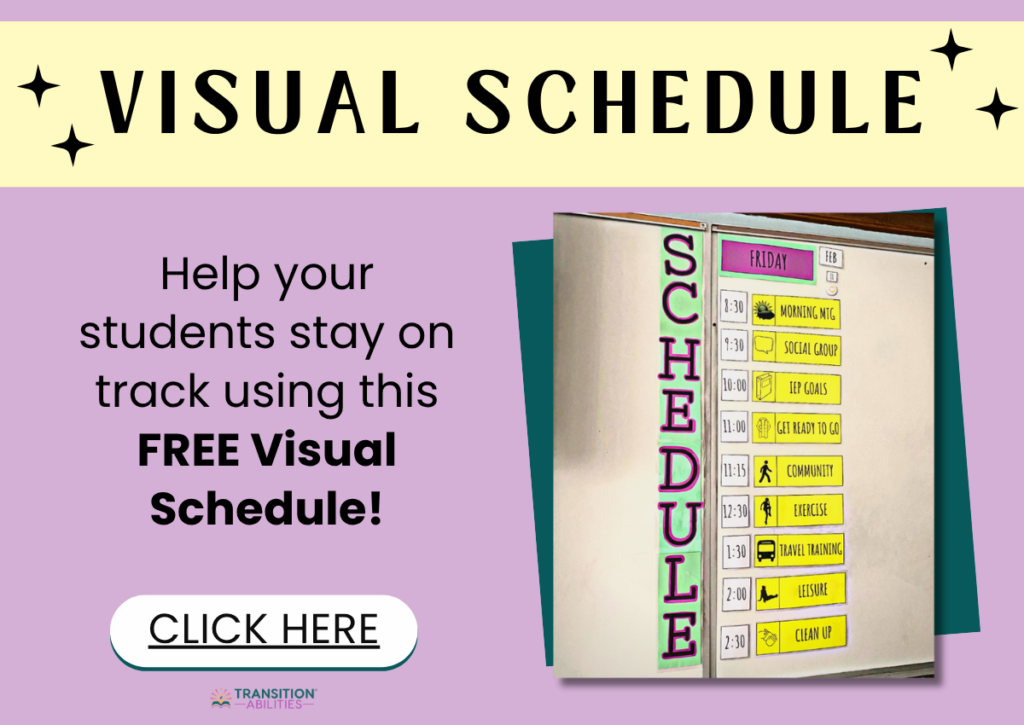
Some students do best when they know exactly what’s coming next and how much time they have to finish something. If your teen often asks “What now?” or forgets important steps, adding structure in simple ways can help build independence and confidence.
Try these tools:
- Visual schedules – Students can follow laminated daily routines or use digital versions on tablets to stay on track throughout the day.
- Visual sensory timers – These are perfect for showing students how much time is left while taking into consideration their sensitivity issues with ticking and sounds.
- Checklist notebooks or dry-erase boards – Help students track tasks throughout the day.
- Talking watches or alarms – Give gentle reminders without being disruptive.
- Sticky notes or planner stickers – Add personality and structure to daily plans.
Personal Safety and Health Accessories

Between loud hallways, crowded spaces, and sensory overload, school can be a lot. Adding these small, personal items that support comfort, hygiene, and health can go a long way.
- Chewelry – This chewable jewelry provides a safe outlet for chewing, supports sensory needs, and aids in focus and relaxation.
- Cooling neck wraps or wearable fans – These are helpful for students who overheat or feel overwhelmed.
- Weighted blankets – These can give just the right amount of pressure to help teens feel calm and secure.

Fidgets That Don’t Feel Like Toys
Some teens need a little something to do with their hands to stay focused or calm, but they don’t want to look like they’re playing with toys in class. That’s where discreet, teen-friendly fidgets come in. They’re not just for fun—they’re self-regulation tools.

Examples are:
- Wearable fidgets – These can be silicone bands, pop bracelets, or zipper bracelets.
- Stress ball – Squeeze it during work time!
- Sensory putty – Keep this in a small container in a desk or backpack.
- Fidget rings or spinner rings – They look like accessories and can be stylish.
- Bands under desks – Let students move their legs quietly during class.
- Desk and laptop fidget pads – A silicone mat on the desk or a quiet push-and-peel board gives hands something to do without noise.
These tools support focus and calm without drawing unwanted attention.
Sound Supporting Tools
Some students are extra sensitive to sound, so having sound-related tools can help them filter out unwanted noise or find the calming input they need.
Try these:
- Noise-reducing headphones – They’re helpful in loud spaces like cafeterias or assemblies. There’s a smaller version for younger students too.
- Loop earplugs – These can reduce noise without blocking everything.
- Classroom sound machines – Create white noise or calming background sounds during quiet work time.
- Bluetooth headphones – Teens can use these with calming music, audiobooks, or timers.

Flexible Seating for Focus
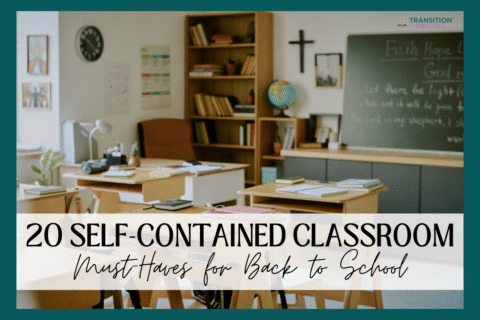
Sitting still isn’t always realistic, even for teens, and that’s okay! Some teens focus better when they can move a little, shift positions, or just feel more comfortable in their bodies. Flexible seating gives them those options. For more classroom setup ideas, see my post on 20 self-contained classroom must-haves.
Give these options a try:
- Wobble cushions or balance discs – These are perfect for letting students move while seated.
- Bean bag chairs or floor cushions – Great for quiet reading time or sensory breaks.
- Standing desks or lap desks – Offer different work positions depending on the teen’s energy levels.
- Seat cushions – These can help with posture and comfort.
- Yoga balls – Give these to students who like to bounce or rock.

Every student is different, and the best sensory-friendly school supplies are the ones that support their individual needs. These tools don’t have to be flashy or expensive—they just need to be thoughtful. Whether you’re a teacher, parent, or a teen looking for solutions, having sensory-friendly options on hand can make school a more positive, productive place.
If you want to see the specific items I use, I keep a running sensory classroom list on my Amazon page.