Free Video Learning Resources for High School
& Transition SPED Classrooms
We know how helpful videos are as instructional resources for our lessons. But sometimes, it can be hard to find quality, free video content that’s appropriate for high school and transition special education classrooms.
Our classrooms usually have students with a wide range of abilities and different IEP goals, so we’ll need various videos, too. They can be about job skills, independent living, or just everyday how-to tasks.
Read on to discover a list of free video channels and playlists that work well for SPED classrooms!
General Life Skills, Transition Support,
& Special Education Lessons
These channels cover a wide range of transition-related topics, such as self-advocacy, independence, IEP planning, preparing for life after high school, and even neurodiversity-related topics.
They’re a great starting point if you’re building out a full transition curriculum or need go-to resources for mixed-ability groups.
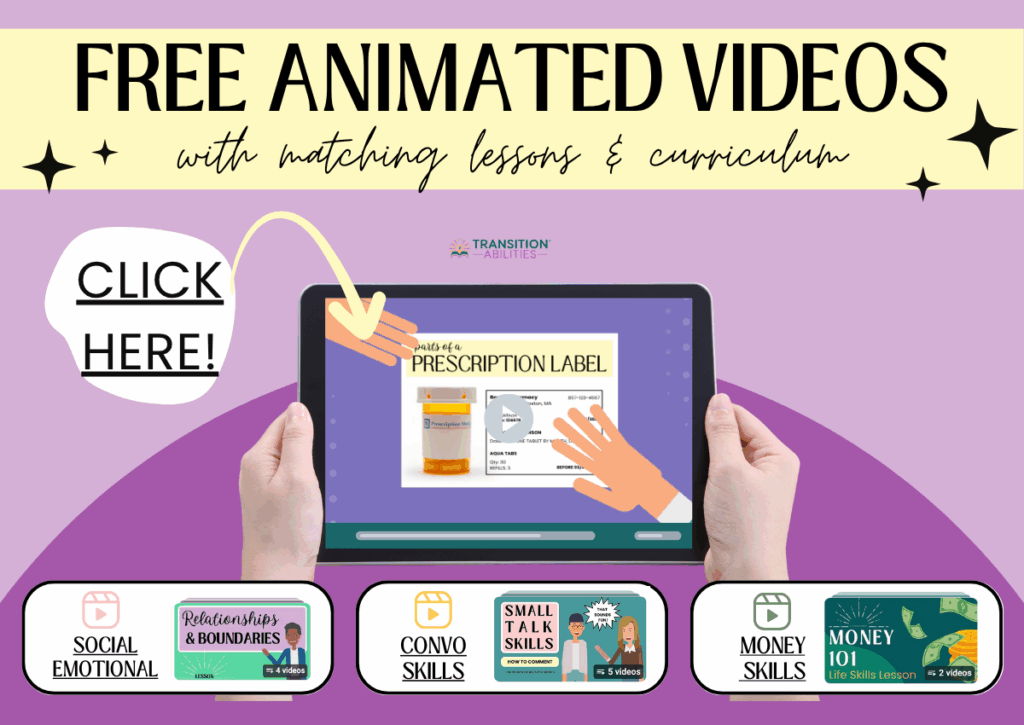
Transition Abilities is a YouTube channel that’s designed for neurodivergent teens and young adults, focusing on life skills, job skills & social-emotional lessons for special education. It’s appropriate for high school and transition-aged SPED students, especially those working on moderate independence and self-advocacy.
The videos are beginner to intermediate level and use clear visuals and calm narration. The channel is active and posts new content weekly to monthly, so make sure to subscribe!
PACER offers a wide range of video content to help students and families plan for life after high school. Topics include employment, guardianship, assistive technology, and postsecondary education.
These videos are best suited for students aged 14 to 22, their families, and IEP teams. While some videos are older, many are still highly relevant, and newer content has been added within the past year.
Transition2Life focuses on essential life and employment skills, such as resume writing, job applications, and community inclusion. It’s best for transition-age students working on independent living and workplace readiness.
While this YouTube channel doesn’t seem to be active anymore, it still has a lot of videos that can be relevant for your lessons.
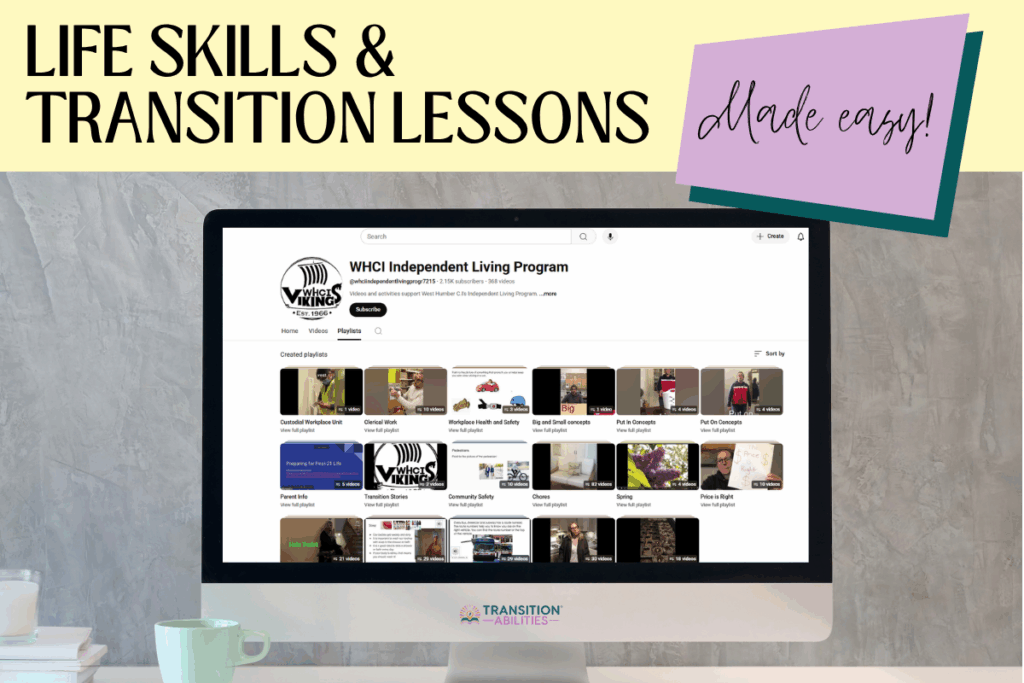
West Humber C.I.’s Independent Living Program from Toronto, Canada has created this YouTube channel to share lessons and real-life examples of independent living skills, including cooking, budgeting, and transportation.
It’s ideal for transition-aged SPED students and offers content at a beginner to intermediate level. Videos are organized by topic in playlists so it’s easy to browse when you’re in need of video resources!
Life Skills & Everyday “How-To” Videos
Need video resources when teaching functional daily living skills? Check out these channels! They focus on how-to videos that teach skills like hygiene, chores, cooking, and other basic home tasks, which are especially helpful for visual learners.
Dad, How Do I? is a wholesome and practical YouTube channel created by a father who teaches everyday life skills like tying a tie, checking the oil in a car, and unclogging a drain.
It’s best for students who need step-by-step demonstrations for common adult tasks. The channel is still active with regular uploads.
Created by Becca, a certified speech and language pathologist, Life Skills 2 Learn offers functional, age-appropriate life skills videos for teens and adults with developmental disabilities. Topics include cooking, personal hygiene, chores, and time management.
The channel continues to be updated with new videos and resources, and Becca also shares an Augmentative and Alternative Communication (AAC) Parent Training Series that’s helpful for staff training and classroom AAC implementation.
The videos are beginner level, clear, and practical—perfect for asynchronous learning or direct instruction.
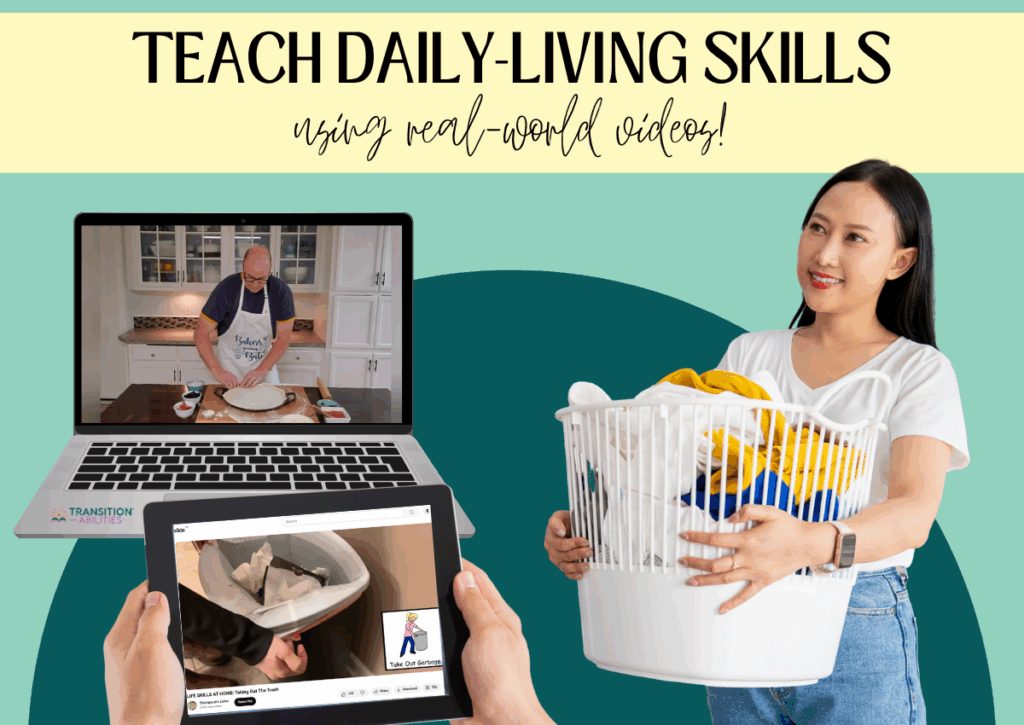
This playlist from Therapeutic Links offers real-world life skill demonstrations, including folding clothes, brushing teeth, setting a table, and packing lunch. It’s perfect for high school and transition-aged students working on independent living and daily hygiene.
Even though the YouTube channel isn’t being updated right now, the beginner-level videos still make a great visual aid for functional routines.
Julia is a mom, cookbook author, and home cook who shares easy, budget-friendly recipes using simple ingredients—no fancy tools required. Her step-by-step videos are great for teaching cooking basics, meal planning, and grocery budgeting in a way that feels doable and fun.
While this active YouTube channel isn’t SPED-specific, Julia’s clear instructions and real-life approach make this channel a great resource for teens learning independent living and kitchen skills.
This UK-based school shares videos made specifically for students with moderate to severe disabilities. Topics include music, community skills, functional academics, and more.
While not always updated regularly, the channel has a strong library of SPED-specific, visual, and sensory-friendly content.
Job & Career Readiness
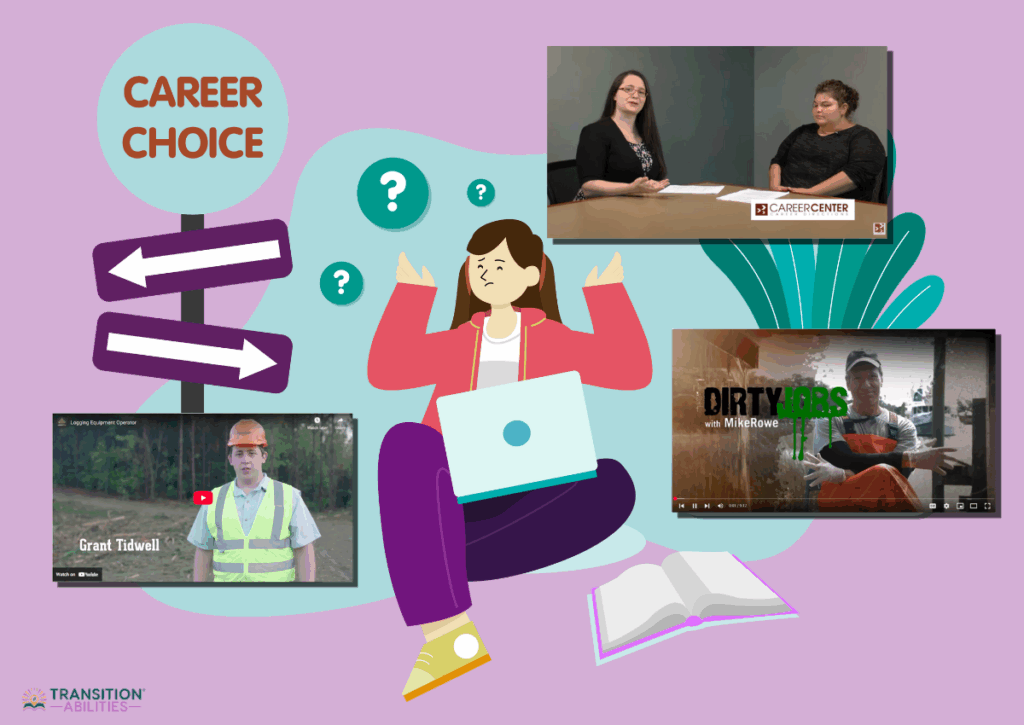
If you’re teaching vocational skills, these resources can be very helpful. They’re designed to help students explore careers, build soft skills, learn about workplace behavior, and prepare for interviews and applications!
Dr. Kit’s website offers a large library of free, easy-to-understand career videos, featuring real people sharing what they do on the job and how they got there.
Videos are short and direct, covering a wide range of industries from healthcare and education to technology, trades, and the arts. What makes this resource especially teacher-friendly is that the careers are organized by career clusters!
Check this video library when you’re teaching career exploration.
The East Baton Rouge Parish Library’s channel is a hidden gem for job prep, and it’s still active with fresh resources.
They cover everything from building a resume to preparing for interviews and exploring career options. It’s a great resource for students who are starting to think seriously about work or filling out job applications.
This YouTube playlist features short clips from the TV show Dirty Jobs, offering an up-close look at essential yet overlooked jobs like sewer inspector, garbage collector, crab fisherman, and more.
These videos are engaging and eye-opening for students who benefit from seeing how real work looks in the field, and they’re also fun to watch! They work well for job exploration days or discussion starters about nontraditional career paths.
Social-Emotional Learning & Teen Life
This section includes channels that support emotional regulation, self-esteem, digital safety, friendships, and understanding social situations—topics that will help teens navigate everyday life.
Navigating Teen Life is a YouTube channel for teens, by teens. It’s created by the Teen Ambassadors from UPMC Children’s Community Pediatrics.
The channel tackles all kinds of real-life topics, from friendships and emotions to mental health, social media, and more. Some videos are fun, others are more serious, but all are honest and relatable.
It’s actively maintained with new uploads that are beginner to intermediate level.
If you’re looking for clear, practical videos made just for SPED classrooms, this channel is a great go-to. Pat covers everything from IEP goals and study skills to self-advocacy and real-world life skills.
The videos are straightforward and easy to follow, so they’re perfect for students, and also super helpful for new SPED teachers looking for ideas or explanations.
Tips for Using Free Video Resources
Not sure how to start using these videos in your classroom? Here are a few simple ways to make the most of them!
- Choose videos that match your students’ learning levels and goals.
- Use these videos to reinforce lessons, target IEP goals, or make the most of downtime.
- Always preview videos ahead of time to make sure the pace, content, and language are appropriate for your group.
- It also helps to organize your favorite videos into topic-based playlists so you can pull up exactly what you need during planning or in-the-moment teaching.
Videos can bring your lessons to life in a way that worksheets or lectures just can’t. These free video channels and playlists are an easy way to build your lessons, support functional goals, and keep your students engaged.