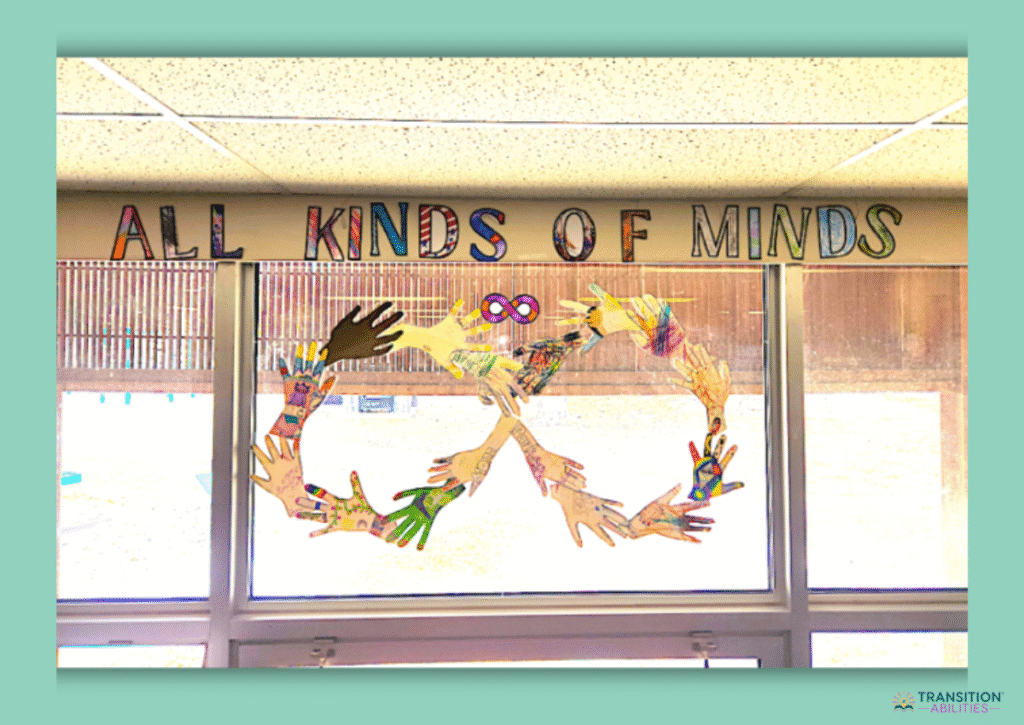
Have you ever considered hosting a disability day in your school? Your school may have a day where it celebrates or recognizes the struggles of different minorities or cultures. But is there a dedicated day to celebrate and learn about disabilities?
As a special education teacher, you might be familiar with International Disability Day. Perhaps you want to celebrate this event, or you are looking for ideas on how to host a disability day (in general).
The International Day of Persons with Disabilities (IDPD) is celebrated on December 3rd each year. I’m super excited to talk to you about this special time when we all come together to spread the word about people with disabilities. Continue reading as I share some fun and meaningful activities we’ve done in our school that you can also try. These are quite easy to do and won’t break the bank!
What is International Disability Day?
An estimated 1.3 billion people worldwide, about 16% of the population, live with a significant disability. That’s why the United Nations started the International Day of Persons with Disabilities (IDPD) in 1992. It’s meant to help everyone understand and support people with disabilities.
You don’t need to celebrate on International Disability Day to host a schoolwide event. But if you’re able to celebrate near December 3rd, it’s the perfect opportunity. Disability Day is about raising awareness about people with disabilities, including the strengths they have and the challenges they face.
How to Host a Schoolwide Disability Day
When December 3 (or the date of your Disability Day) comes, how can you promote awareness for people with disabilities to the whole school community? Let’s talk about some easy and interesting ideas which are totally doable!
#1: Teach Lessons on Specific Disabilities
You might be here to look for ideas because you’re running out of creative juices. Well, let me tell you that it’s okay to include the basics, like teaching lessons about specific disabilities to your class!
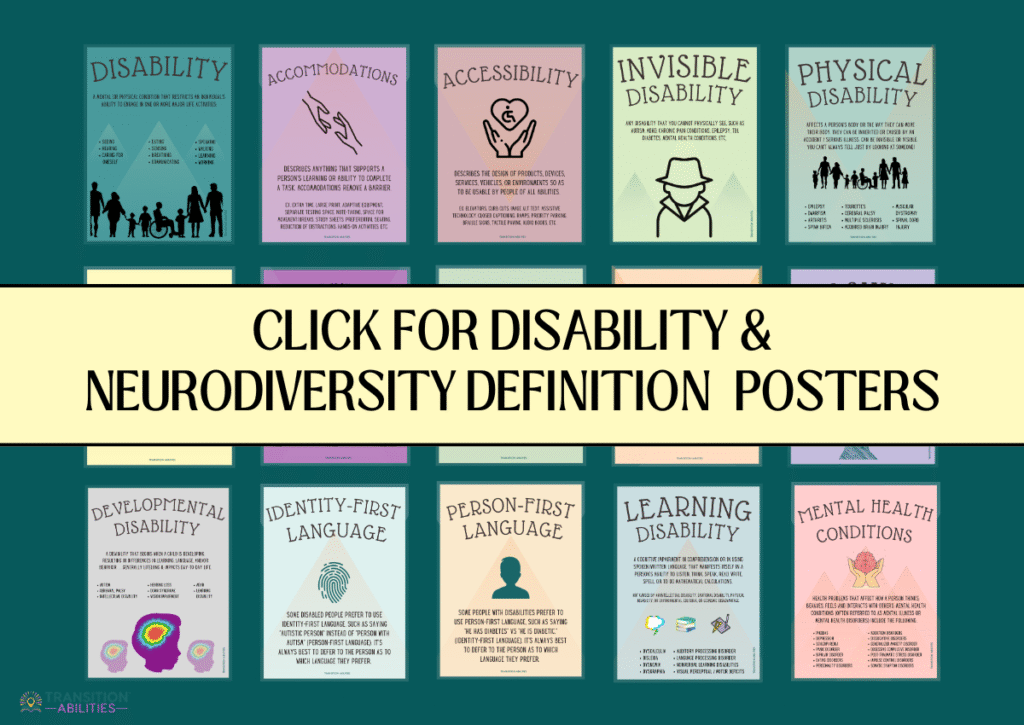
Simply including lessons on disabilities in your class schedule can be very effective. Here’s a Disability and Neurodiversity Bundle of lessons and activities to give you some ideas!
You could even have students help you find great videos (from TikTok, YouTube, etc.) as an assignment the week before the disability day.
#3: Invite Speakers
Guess who the experts are on disabilities? Disabled people!
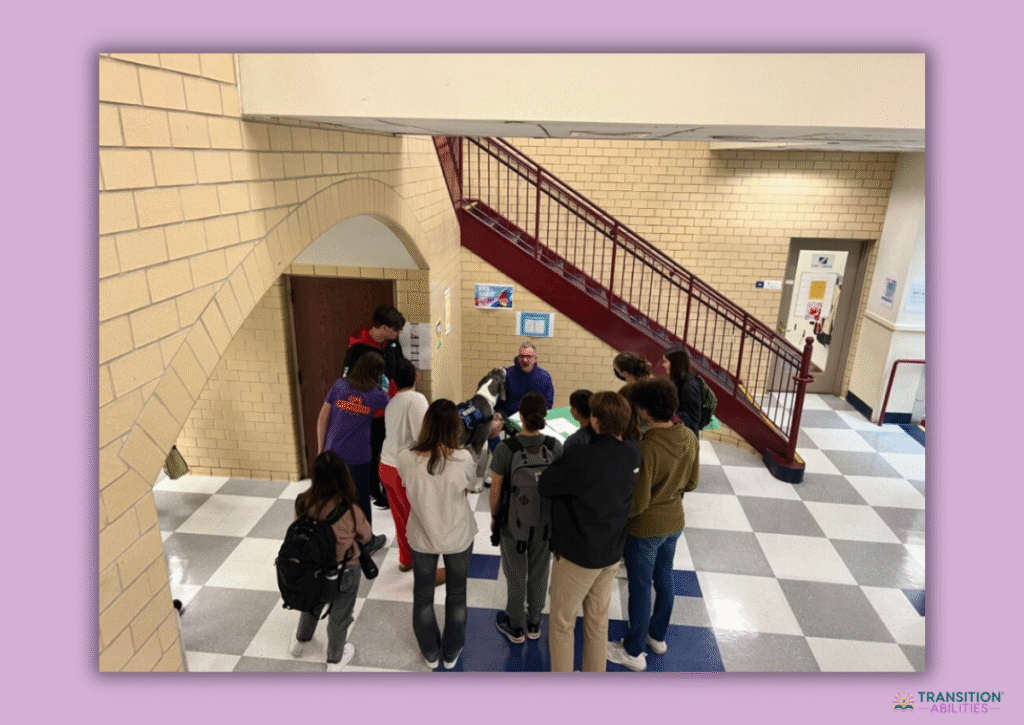
Another thing you can do is have a person with a disability come to your school and talk about their life. They can share their stories and help your students understand the world of people with disabilities better.
You can also ask disability advocacy groups like Best Buddies to come and chat with your students in class or virtually.
#4: Share Perspectives
One of the best ways to celebrate Disability Day is to learn more about how disabled people feel by hearing about it from someone they know personally. You can have your students interview a classmate with a disability or a school staff member who works with individuals with disabilities.
Or you can collect videos from staff and students prior to the event, so that they can be played during an assembly.
#5: Play a Disability Awareness Game
Play games that tackle disability awareness. A great example I’ve done before is what I’d like to call the “Is This Accessible?” game. It’s a simple game of scenario cards that you flip over to learn if it’s accessible and why it is or isn’t.
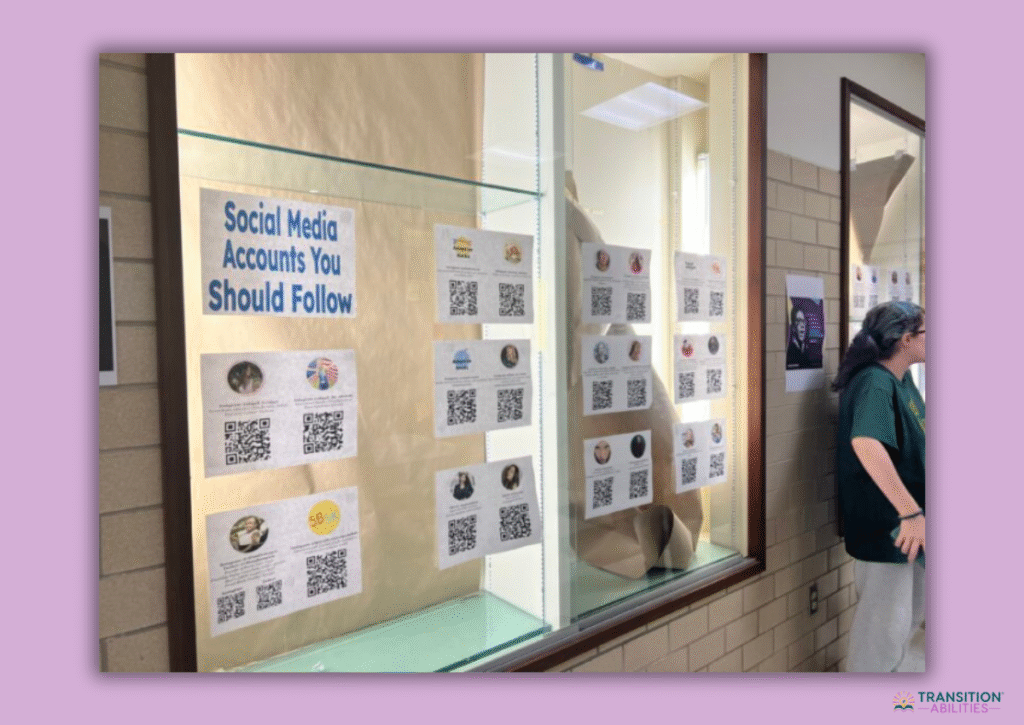
It’s time to make use of the digital age! Aside from posters, you can also set up a wall that’s decorated with URLs or names of social media accounts worth following.
These can be accounts of people with disabilities who talk about disabilities or share unique content. Since students are online most of the time, it would be great to have some content about disability awareness on their feeds.
Need some inspiration? Here are some great accounts to follow:
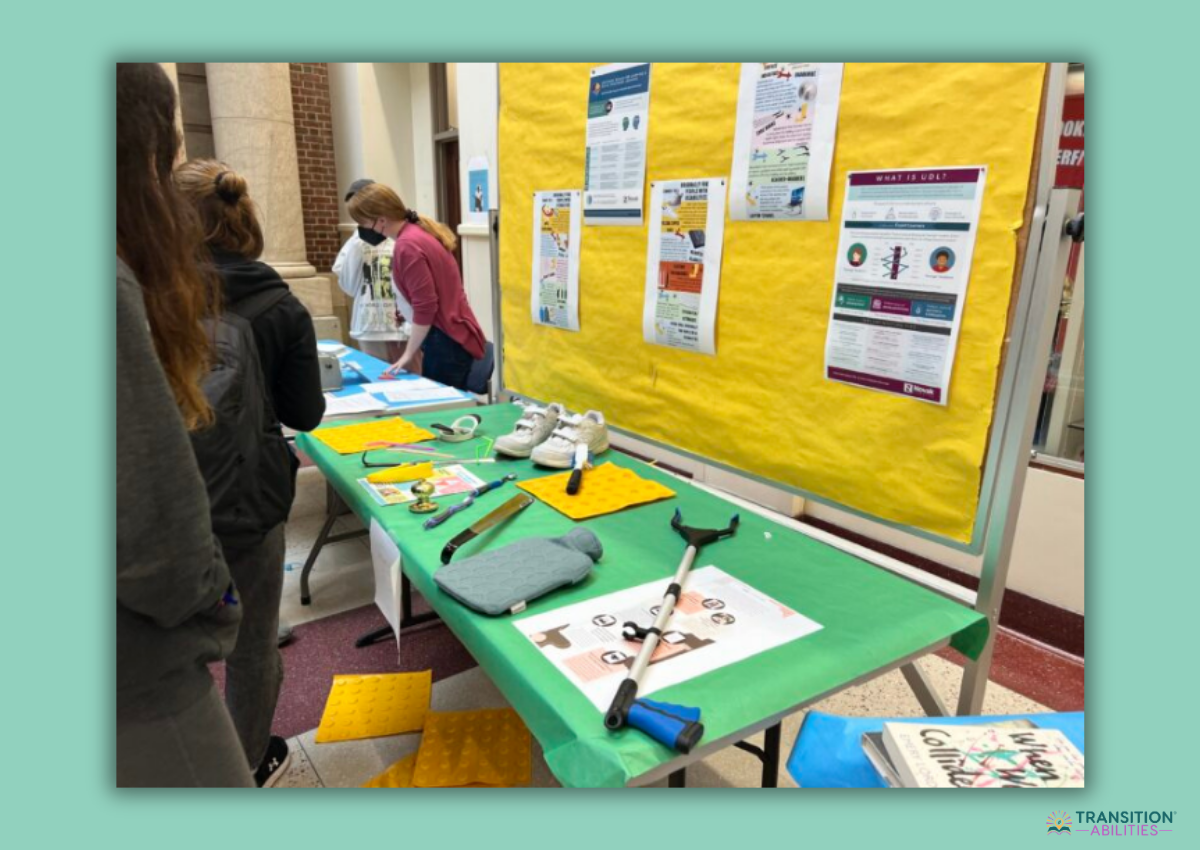
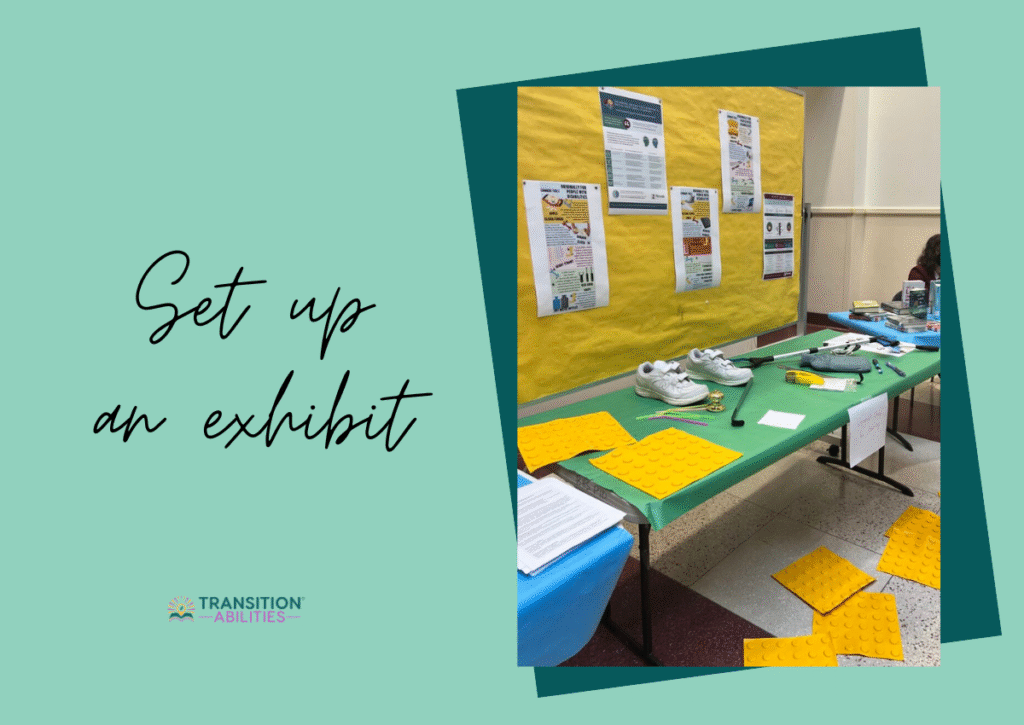
No, I’m not talking about an art exhibit. Instead, this is a display of things used by people with disabilities.
Have a little display of everyday items that were originally created for disabled people, but are now enjoyed by many other folks (Universal Design). Some examples are:
Audiobooks
Bendable straw
Electric toothbrush
Universal design table
Typewriter or keyboard
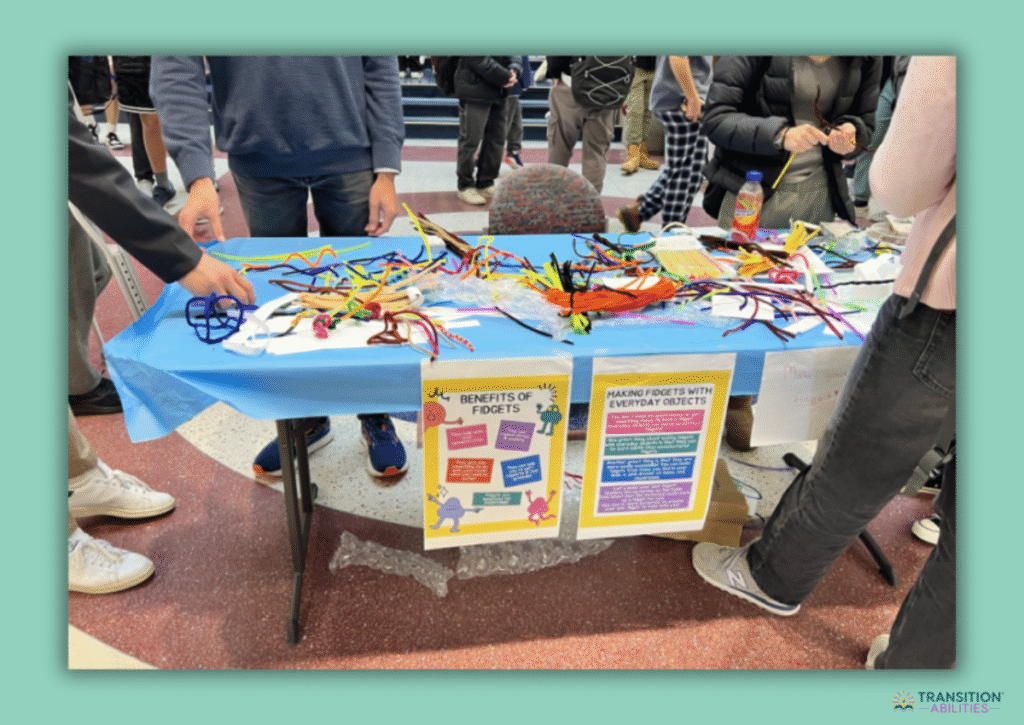
You can also set up a table filled with fidgets! Have someone staff the station to explain how these “toys” help special education students. You can also search for DIY fidgets online and teach the students how to make one. This can be a fun interactive activity!
#9: Try the Real Tools
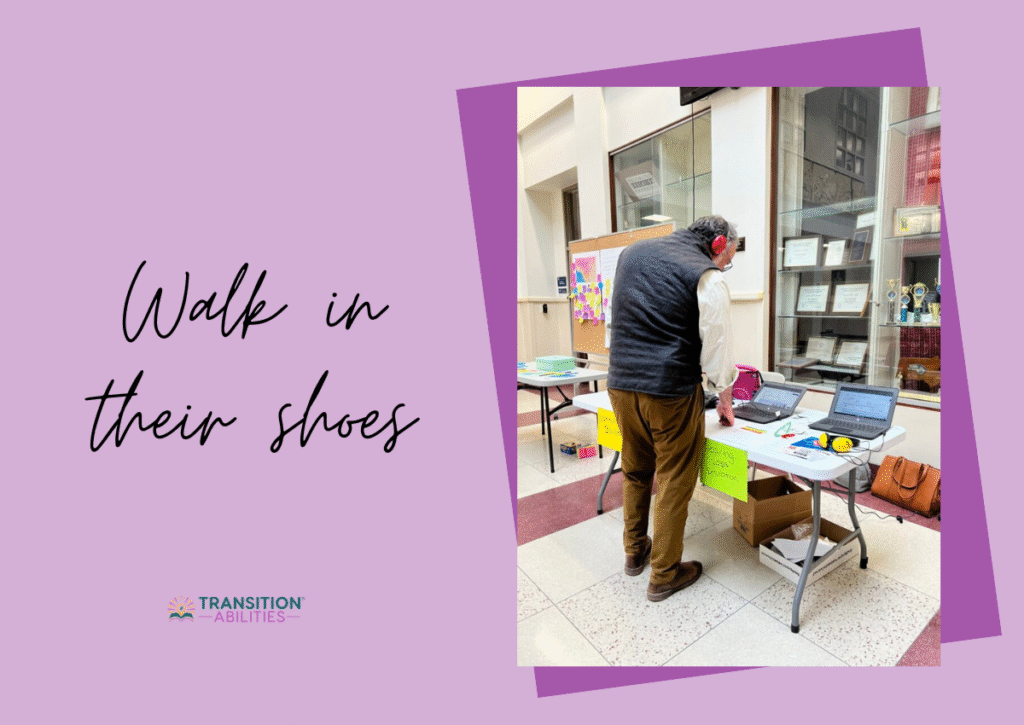
A hands-on station is one of the better things you can run on a disability day, but how you set it up matters.
Simulation activities, where students put on a blindfold or earplugs and try to get around, tend to backfire. Studies on this found students came away rating disabled people as less capable than they had before, and feeling less comfortable around them. A few minutes of fumbling mostly teaches helplessness.
What works better is letting students try the actual tools and techniques that disabled people use, with instruction first. Some station ideas:
AAC and communication devices: let students build a message on a device or app and send it to a partner.
Braille and screen readers: have students find a word in a braille book, or listen to a page read aloud by a screen reader at the speed a regular user actually sets it to.
Mobility equipment: teach a wheelchair transfer or how to use a cane, then let students practice.
Adaptive kitchen and dressing tools: make a sandwich or fasten a jacket one-handed using aids built for it.
Keep each task small enough that students finish it, and teach the technique before they try. If you can, have a disabled student, staff member or community member run the station. They know the tools best, which goes back to #3.
Students walk away having learned something real about how a task gets done.
#10: Invite People to Read Books
Fill a table with books about disabilities BY authors with disabilities. This can encourage the readers in your school to learn more about disabilities and neurodiversity. In our last event, the Perkins School for the Blind even came and brought braille books!
Here are some options:
Ido in Autismland
I Will Die on This Hill
Neurodiversity: The Birth of an Idea
The Reason I Jump
#11: Set Up a Suggestion Box
This one is an activity specially designed for the students with disabilities in your school, and it’s very easy to do. Just set up a box and encourage your students with disabilities to write their suggestions, like:
How to make the school more accessible; or
What my teachers should know about me
Not only will this give you and the school administration an idea of what your students need, but it will also provide empowerment to the students with disabilities to be heard.
Celebrate International Disability Day!
Disability Day is all about celebrating diversity, understanding, and making our world a better place for everyone.
By getting the whole school involved in these activities, you’re contributing to a world where people without disabilities have a greater understanding of what it’s like for their disabled peers. And it’s a way for our students with disabilities to have their voice heard.
It’s a great first step for a less ableist culture.
Special thank you to Emmy Gray, M.Ed., for photos & collaboration on this blog post.